_1641230626.jpg)
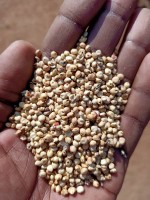
Organic Sorghum
About this Organic Sorghum
Sorghum (Sorghum bicolor (L.) Moench) is used for both grain and forage. While some varieties are grown solely for grain, others have been developed for forage production, and some varieties are dual-purpose (Harada et al., 2000). The sorghum plant is a tall, erect annual grass, up to 5 m high, and follows the C4 pathway. Sorghum roots are adventitious and the root system can extend from the top 90 cm soil layer to twice that depth. Culms are erect, solid, 0.6 to 5 m high and 5 to 30 mm in diameter. Leaves are broad, glabrous, very similar to maize leaves but shorter and broader. Inflorescence is a panicle, around 60 cm long, bearing up to 6000 spikelets (Balole et al., 2006). Sorghum bicolor is highly variable. The stem is the part of the plant that shows the greatest differences between genotypes, ranging from thin to thick, with low or multiple tillering (Rattunde et al., 2001).
Sorghum is an underrated, nutrient-rich cereal grain. Half a cup of uncooked sorghum (96 grams) provides (2Trusted Source):
- Calories: 316
- Protein: 10 grams
- Fat: 3 grams
- Carbohydrates: 69 grams
- Fiber: 6 grams
- Vitamin B1 (thiamine): 26% of the Daily Value (DV)
- Vitamin B2 (riboflavin): 7% of the DV
- Vitamin B5 (pantothenic acid): 7% of the DV
- Vitamin B6: 25% of the DV
- Copper: 30%of the DV
- Iron: 18% of the DV
- Magnesium: 37% of the DV
- Phosphorus: 22% of the DV
- Potassium: 7% of the DV
- Zinc: 14% of the DV
Sorghum is rich in a variety of nutrients, including B vitamins, which play an essential role in metabolism, neural development, and skin and hair health
Product details
- Category
- Sorghum
- Country of origin
- Kenya
Availability by month
Other Cereals/Grains from Kenya
View all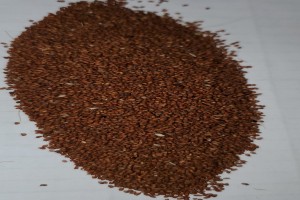
_1639555130.jpg)
Sorghum from other countries
View all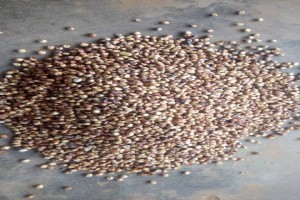 🇺🇬Uganda
Sorghum
Sorghum
White Sorghum
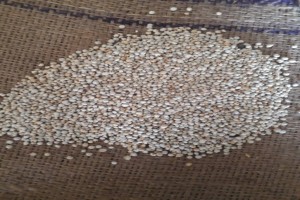 🇸🇩Sudan
white Sorghurm
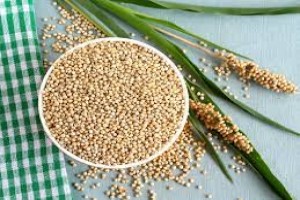 🇳🇬Nigeria
White/Yellow Sorghum
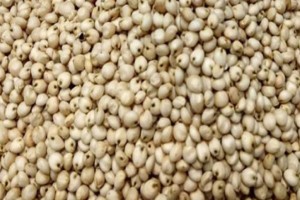 🇿🇲Zambia
White Sorghum
 🇺🇬Uganda
White Sorghum
 🇹🇿Tanzania