
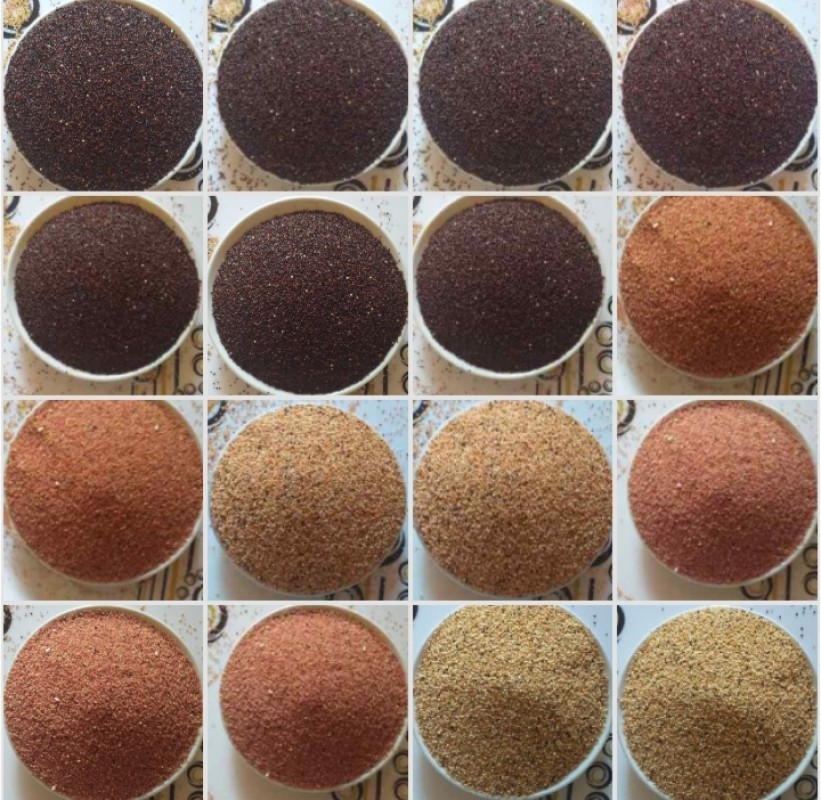
Amaranthus Grain
About this Amaranthus Grain
Grain amaranth (species unspecified) seeds contain per 100 g edible portion: water 9.8 g, energy 1565 kJ (374 kcal), protein 14.5 g, fat 6.5 g, carbohydrate 66.2 g, dietary fibre 15.2 g, Ca 153 mg, Mg 266 mg, P 455 mg, Fe 7.6 mg, Zn 3.2 mg, vitamin A 0 IU, thiamin 0.08 mg, riboflavin 0.21 mg, niacin 1.29 mg, vitamin B6 0.22 mg, folate 49 μg and ascorbic acid 4.2 mg.
The essential amino-acid composition per 100 g edible portion is: tryptophan 181 mg, lysine 747 mg, methionine 226 mg, phenylalanine 542 mg, threonine 558 mg, valine 679 mg, leucine 879 mg and isoleucine 582 mg. The main fatty acids are (per 100 g edible portion): linoleic acid 2834 mg, oleic acid 1433 mg, palmitic acid 1284 mg and stearic acid 220 mg (USDA, 2004).
Amaranth grain is renowned for the excellent quality of its protein because of the high lysine content. Gluten-free types exist and are suitable for people with coeliac disease. The starch mainly consists of amylopectin, with only 5–7% amylose. The rather small starch granules (1–3 μm in diameter) have drawn wide attention for industrial uses of grain amaranths.
The oil contains 4–11% of the triterpenoid squalene, which may find a niche market in products such as lubricants in the computer industry and in cosmetics. The stems, leaves and seeds of Amaranthus caudatus contain water-soluble red-violet betacyanin pigments. In aqueous plant extracts they consist on average of 81% amaranthine and 19% isoamaranthine; in dried extracts of 67% amaranthine and 33% isoamaranthine.
Dissolved in water the pigments are unstable except at low temperatures in the dark and in the absence of air; dried pigments are very stable at room temperature. The seed also contains red-coloured lectins sometimes also referred to as amaranthine. Two peptides isolated from the seed of Amaranthus caudatus (Ac-AMP1 and Ac-AMP2) have shown strong antifungal and some antibacterial activity.
Product details
- Category
- Beans
- Country of origin
- Ethiopia
Availability by month
More Beans from Ethiopia
View all
Other Pulses/Legumes from Ethiopia
View all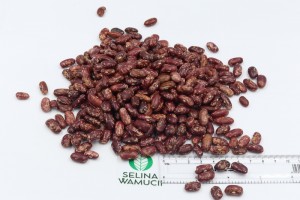 🇪🇹Ethiopia
Speckled Kidney Beans
 🇪🇹Ethiopia
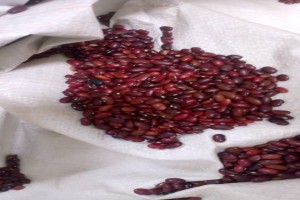
Red Kidney Beans
 🇪🇹Ethiopia
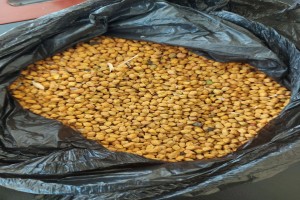
Ethiopian Desi Chickpeas
 🇪🇹Ethiopia
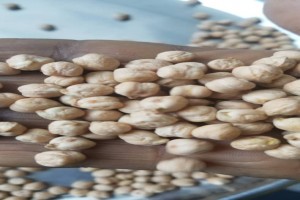
KABULI CHICKPEAS
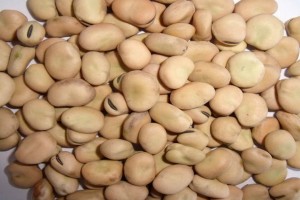 🇪🇹Ethiopia
HORSEBEEN/FABA BEEN/BROAD BEAN
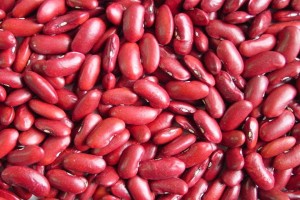 🇪🇹Ethiopia
RED KIDNEY BEAN GOJAM QUALITY
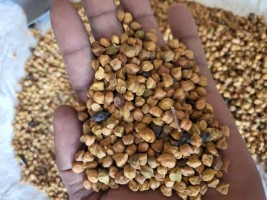 🇪🇹Ethiopia
Desi Chickpea
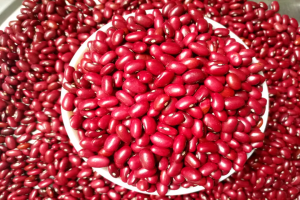 🇪🇹Ethiopia
Red kidney beans
Beans from other countries
View all 🇹🇿Tanzania
Sesame seeds
 🇹🇿Tanzania
Red kidney beans
 🇹🇿Tanzania
Soya Beans
 🇲🇼Malawi
Kidney Beans
 🇹🇿Tanzania
Beans
 🇰🇪Kenya
Soya Beans
 🇿🇲Zambia
Velvet Beans
 🇺🇬Uganda